
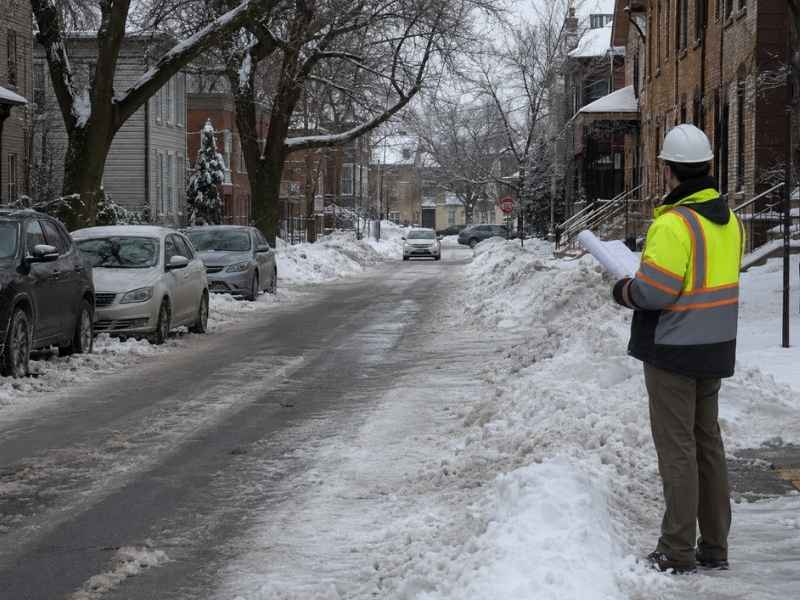
A parked car that’s no problem in July can become a real hazard in January. Once snow starts piling up along a curb, a traffic engineer has to look at the same street differently. Space that was fine for parking in summer might now block a plow route, hide a stop sign or squeeze a street down to one lane. This post looks at five things a traffic engineer works through when planning winter parking restrictions. It runs from picking which spaces truly need to stay clear to making sure drivers actually understand the rule once it’s posted.
Identify Which Curbside Spaces Must Stay Clear for Snow Operations
Not every parking space on a street causes a problem in the winter. Some sit far enough from intersections and plow routes that the snow season doesn’t change much. Others sit right where a snowplow needs to turn, or right next to a spot where crews pile snow after a storm.
A traffic engineer looks at the street piece by piece. Where does the plow actually travel? Where does snow get pushed and stored once it’s cleared from the road? Which spaces block a driver’s view at an intersection once snow builds up nearby?
This step isn’t about clearing every space along a street just to be safe. It’s about finding the specific spots where a parked car actually gets in the way once winter conditions set in.
Protect Sight Distance When Snowbanks Narrow the Driver’s View
A street doesn’t have to change shape for it to become harder to see. Snowbanks piling up near an intersection, a driveway or a curb return can quietly cut into a driver’s view, even though the road itself hasn’t moved an inch.
Add a parked car next to one of these snowbanks, and the problem gets worse fast. A driver pulling out of a side street might not see oncoming traffic until it’s almost too close. That’s a seasonal problem, one that doesn’t exist in July but shows up every time the snow piles high enough.
Winter parking restrictions at these specific spots keep that sight line open. Removing a car or two near a tricky intersection can make a real difference once snow starts stacking up nearby.
Maintain Enough Travel Width After Snow Accumulates Along the Curb
A street that’s wide enough for two-way traffic in summer can shrink fast once plowed snow piles up along both curbs. Add parked cars on top of that snow, and a street built for two lanes can end up down to one.
That narrower width causes real problems. Buses and delivery trucks need more room to maneuver than a passenger car does. Emergency vehicles need a clear path, especially on streets where minutes matter. Two cars trying to pass each other on a snow-narrowed street can end up stuck, waiting for one to back up.
A traffic engineer checks whether a street can still handle its normal traffic once snow eats into its width. If it can’t, temporary parking removal becomes the fix that keeps the street usable through the winter.
Plan Seasonal Parking Restrictions Around Peak Demand
Clearing every parking space off every street for the entire winter sounds simple, but it isn’t the right answer most of the time. Curbside parking still matters to residents and businesses, even in January.
A more useful approach targets restrictions by time, weather or even the size of a specific snow event. A downtown street might only need restrictions overnight, when snow removal actually happens. A residential street might only need a rule during a declared snow emergency, not for the whole season.
Balancing operational needs against real parking demand keeps a winter plan from being more restrictive than it actually needs to be. Streets that don’t need year-round restrictions shouldn’t get them just for convenience.
Coordinate Signs and Enforcement With the Winter Parking Plan
None of this planning matters if drivers can’t figure out what the rule actually is. A restriction that only works on paper, with confusing or missing signs, doesn’t protect anyone once winter arrives.
Signs need to state clear limits: which days, which hours, which conditions trigger the restriction. That information also needs to reach enforcement and public works crews, so the rule gets applied the same way every time, not just when someone happens to notice a parked car.
Getting this coordination right turns an engineering recommendation into something drivers can actually follow. A rule nobody understands doesn’t keep streets clear. It just creates confusion and, eventually, tickets nobody saw coming.
Frequently Asked Questions
Why are winter parking restrictions needed on some streets?
Parked vehicles can interfere with snow removal, cut down travel width, block sight lines or limit access once snow piles up along the roadway.
What does a traffic engineer review before recommending winter parking restrictions?
Street width, parking demand, snow storage areas, intersections, driveway visibility, traffic volumes, emergency access and how snow removal crews actually use the roadway all factor into the review.
Can winter parking restrictions apply only during snow events?
Yes. Some restrictions get tied to declared snow emergencies or specific winter conditions instead of staying active all season, depending on local policy and what the roadway actually needs.
How can snowbanks affect traffic safety near intersections?
Piled snow can reduce how far a driver can see when entering or crossing a road. Parked vehicles next to that snow often block the view even more.
Do winter parking restrictions have to remove parking from both sides of a street?
Not always. The right restriction depends on the available roadway width, snow storage needs, traffic operation and local requirements, so some streets only need restrictions on one side or during certain conditions.