
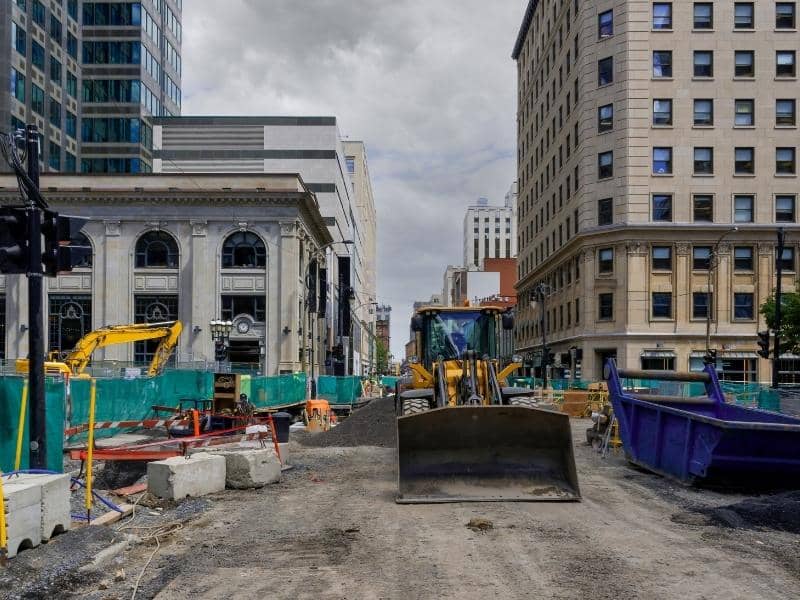
A utility cut can look finished the day the crew drives away. A few months later, the patch settles, a joint opens up, and water starts working its way into the base below. The difference between a repair that holds and one that fails usually comes down to planning, not luck.
Downtown streets make this harder. Traffic is heavy, space is tight, and the ground is crowded with pipes, conduits, vaults, and old foundations. Strong construction management keeps the work organized from the first site check to the last inspection, so the restored street performs like the pavement around it.
Assess Site Conditions Before Utility Cut Restoration
Every restoration should start with a clear picture of what’s in and around the trench. The goal is to understand the soil conditions, the existing pavement section, existing infrastructure, and anything nearby that the work could affect. Skipping this step is one of the most common reasons patches sink or crack early.
Here’s what a project team should check before any backfill goes in:
- The type and moisture of the native soil, since wet clay and loose fill behave very differently under load.
- The thickness and layers of the existing pavement, including any old brick or concrete buried under asphalt.
- The condition of nearby curbs, sidewalks, and building walls that sit close to the cut.
- Signs of past settlement, such as dips, cracked patches, or ponding water near the trench line.
Older downtown areas often hide surprises. Crews may find abandoned utilities, old streetcar rails, or pockets of poor fill. Recording these findings early gives the engineer a chance to adjust the design before the schedule gets tight.
Coordinate Site Preparation and Existing Infrastructure
Start with utility locates and confirm them in the field. Marked lines aren’t always exact, and a second look can prevent a damaged gas line or fiber conduit. Where the work connects to or affects active utility systems, confirming utility capacity early can also help identify constraints before restoration moves forward. Plan traffic control, pedestrian routes, and business access at the same time, because these decisions shape the work zone and the hours crews can operate.
Edge preparation matters more than most people expect. The cut should be squared off and extended past any damaged or undermined pavement so the patch bonds to sound material. Ragged edges and loose chunks left in place tend to become the first spots where cracks appear.
Plan Drainage, Grading, and Foundation Repairs
A trench can quietly turn into a drain. If the backfill is looser than the soil around it, water collects along the cut and softens the base. That’s why grading, drainage, and base repair need to be planned together rather than treated as separate tasks.
The finished surface should match the existing street crown and gutter slope. Even a small high or low spot can push water toward the joint or hold it on the surface. Check how the patch ties into nearby inlets, curb lines, and sidewalk ramps so runoff keeps moving where it was designed to go.
Rebuilding the Base
Think of the base and subgrade as the patch’s foundation. Backfill is usually placed and compacted in thin lifts, and testing helps confirm the density before the next layer goes on. Some projects use flowable fill, a low-strength concrete mix that fills gaps without heavy compaction. The right choice depends on trench depth, soil conditions, nearby structures, and the engineering design for the project.
Select Concrete and Construction Materials for Durability
Material selection should follow the street, not habit. In most cases, the restored section should match or exceed the existing pavement in strength and thickness. A thin patch on a heavy bus route won’t last, no matter how neatly it’s finished.
Concrete, asphalt, and composite sections all have a place. Concrete construction can hold up well under heavy loads, while asphalt may reopen faster and be easier to repair later. Neither one is always better, and the decision can depend on traffic, the surrounding pavement, climate, budget, and the owner’s maintenance plans.
Where winters bring freeze-thaw cycles, durability becomes a bigger concern. Air-entrained concrete is often used in these conditions because it resists surface scaling. Curing time also matters. Opening a lane too soon can damage fresh concrete, so the schedule should allow for the strength the design calls for.
Manage Restoration Methods and Long-Term Maintenance
Some projects use a temporary patch first and a permanent one later. This lets the trench settle and keeps traffic moving while crews finish other work. It also adds a second mobilization, so the team should weigh the cost against the benefit for that specific site.
During the permanent restoration, inspection is the best protection. Someone should check lift thickness, compaction results, joint placement, and final grades before the work is accepted. Photos and field notes create a record that helps if questions come up months later.
Maintenance doesn’t end when the barricades come down. Joints may need sealing, and the patch should be checked after the first winter and heavy rain season. Catching a small crack early costs far less than rebuilding a failed section under traffic.
Frequently Asked Questions
What is utility cut restoration?
Utility cut restoration is the process of repairing pavement, base, and surrounding surfaces after a trench is dug for utility work. It covers backfill, compaction, base repair, and the final surface layer. A good restoration should blend with the existing street and carry the same traffic loads. The exact method depends on the site, the soil, and the design requirements.
Why do utility cut patches sink over time?
Most sinking comes from poor compaction or water getting into the trench. When backfill is placed in thick layers, it can settle slowly under traffic. Water moving along the trench can also wash out fine soil and soften the base. Testing compaction and planning drainage early helps reduce this risk.
How does construction management help with utility cut repairs?
Construction management keeps the design, schedule, crews, and inspections working together. It helps the team spot conflicts with other utilities, traffic, and nearby buildings before they cause delays. It also makes sure materials and methods match the project requirements. The result is usually fewer surprises and a longer-lasting repair.
Should a utility cut be restored with concrete or asphalt?
The answer depends on the surrounding pavement, traffic loads, and project goals. Matching the existing street is often the starting point, but it isn’t the only factor. Concrete may suit heavy loads, while asphalt may reopen to traffic sooner. An engineer can compare the options based on site conditions and long-term maintenance needs.
How long should a restored utility cut last?
A well-built restoration should perform about as long as the pavement around it. Service life depends on traffic, climate, drainage, material quality, and workmanship. Regular checks and timely joint sealing can extend that life. Poor base preparation, on the other hand, can shorten it to just a few seasons.